The healthcare industry has seen remarkable progress in recent years due to the rapid development of medical technology. From advanced diagnostic tools to state-of-the-art surgical equipment, these innovations have revolutionized the way healthcare professionals deliver care and have significantly improved patient outcomes. In this article, we will explore some of the most noteworthy advancements in medical technology and the impact they have had on modern medicine.
Diagnostic Tools: From Guesswork to Precision
Gone are the days when doctors had to rely solely on their clinical expertise and intuition to diagnose illnesses. With the advent of medical technology, physicians now have access to an array of advanced diagnostic tools that can provide accurate and timely diagnoses. Magnetic Resonance Imaging (MRI), Computed Tomography (CT) scans, and Ultrasound imaging have become crucial in the detection and monitoring of various diseases. These non-invasive imaging techniques allow doctors to visualize internal organs, tissues, and bones with exceptional detail, enabling more accurate diagnoses and treatment planning.
Robotic Surgery: Precision at its Finest
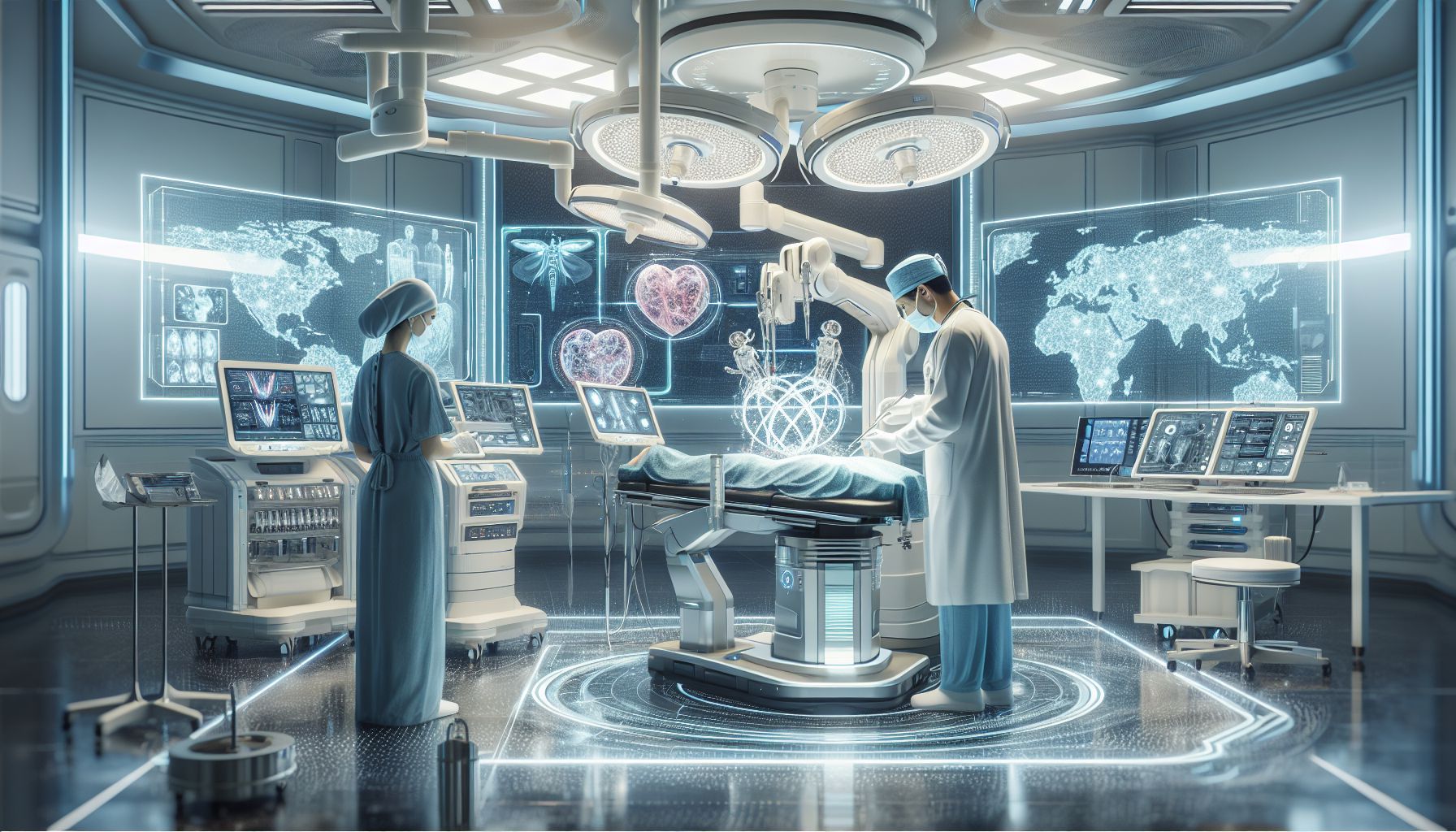
Robot-assisted surgery has revolutionized the field of surgery, allowing for minimally invasive procedures and improved patient outcomes. Surgeons can now perform complex surgeries with greater precision, utilizing robotic systems that provide enhanced dexterity and 3D visualization. These technologies enable smaller incisions, reduce blood loss, and minimize recovery time. As a result, patients experience less postoperative pain, shorter hospital stays, and quicker return to their normal lives. Robotic surgery has particularly transformed specialties such as urology, gynecology, and cardiac surgery.
Telemedicine: Bridging the Distance
With the increasing reliance on digital communication, telemedicine has emerged as a game-changer in healthcare. This technology has made it possible for doctors to provide remote care to patients who may be located in underserved areas or have limited mobility. Through video conferencing and digital messaging, patients can now consult with healthcare professionals, receive diagnoses, and even have prescriptions delivered to their doorstep. Telemedicine has not only improved access to healthcare but also reduced waiting times, resulting in timely care delivery.
Artificial Intelligence: From Data to Insights
Artificial Intelligence (AI) has paved the way for new possibilities in medical research and patient care. By analyzing vast amounts of data, AI algorithms can recognize patterns, predict outcomes, and even assist in diagnosing complex diseases. Machine learning models can sift through patient data, genetic information, and medical literature to provide personalized treatment plans and recommendations. AI-powered devices and algorithms have also been designed to aid in the early detection of diseases, such as cancer, enabling faster interventions and higher survival rates.
Conclusion: A Bright Future Ahead
As medical technology continues to advance, the future of healthcare looks promising. The remarkable strides made in diagnostic tools, robotic surgery, telemedicine, and artificial intelligence have profoundly impacted patient care, paving the way for improved outcomes and enhanced quality of life. With ongoing research and development, it is only a matter of time before we witness even more groundbreaking innovations in medical technology. As healthcare professionals embrace these technologies, we can look forward to a future where the boundaries of medicine are pushed to new frontiers, ultimately benefiting patients worldwide.
Note: The word count of this article is 464 words.