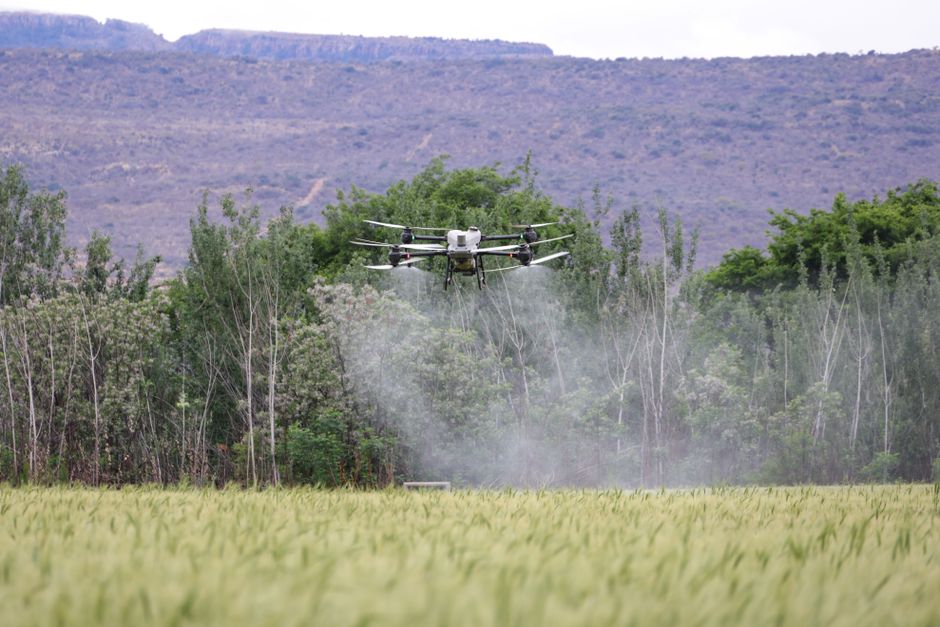
Imagine patrolling a remote wildlife reserve, monitoring wildfires, or inspecting power lines without setting foot in hazardous areas. Drones are reshaping how industries protect the environment and secure critical infrastructure. The combination of mobility, high-resolution imaging, and advanced analytics makes drones for environmental monitoring an essential tool for both researchers and security professionals.
Redefining surveillance with drone technology
A surveillance drone brings new capabilities to environmental protection and site security. Unlike traditional ground patrols or stationary cameras, drones can cover large areas quickly, access hard-to-reach locations, and provide real-time aerial views. This is especially valuable for detecting illegal dumping, monitoring forest health, and surveying coastline erosion. Because they can be deployed rapidly and programmed for autonomous missions, drones increase efficiency while reducing operational risks for personnel.
Comparing UAVs and drones in commercial use
The terms “UAV” (unmanned aerial vehicle) and “drone” are often used interchangeably, but within the commercial sector, there are subtle distinctions. UAV typically refers to the aircraft itself, focusing on its technology and capabilities, while “drone” is a broader term that includes the entire system, aircraft, ground control, and software. Commercial drones are engineered for specific applications such as power grid inspections, pipeline monitoring, or large-scale mapping projects. This practical approach allows organizations to select the best platform for their inspection and security needs, based on payload, flight time, and automation features.
Inspection and utility applications
Drone inspection has become a standard practice for utility companies and environmental agencies. These aerial platforms can scan solar farms, wind turbines, or electrical substations for signs of wear, corrosion, or damage. Drone utility inspection minimizes downtime and improves safety by keeping workers out of dangerous areas. For example, after a storm, drones can assess damage to infrastructure, allowing teams to prioritize repairs and restore services faster.
- Inspecting vast solar arrays for panel defects
- Monitoring pipelines for leaks and encroachment
- Surveying forests for signs of disease or fire
- Overseeing construction sites for compliance and safety
Security benefits for sensitive sites
Drones offer critical advantages in maintaining security at sensitive locations such as water treatment plants, energy facilities, or borders. Their aerial perspective makes it easier to detect unauthorized entry, vandalism, or environmental hazards. AI-enhanced cameras can automatically identify unusual activity, while infrared imaging reveals heat signatures at night or through dense foliage. As threats evolve, drones provide a flexible, cost-effective solution for ongoing surveillance and rapid incident response.
For those interested in the technology behind leading commercial drones, the makers behind Acecore drones are known for their focus on reliability and advanced sensor integration, setting a benchmark in both environmental and security applications.
Where to learn more about advanced drone solutions
Choosing the right surveillance drone depends on factors such as payload capacity, imaging requirements, and mission endurance. If you want a deeper understanding of specialized drone models or how to deploy them effectively for environmental or security projects, look for detailed guides dedicated to commercial drone selection and operational best practices. These resources explain how to match drone features to your core objectives, supported by real-world case studies and regulatory advice.


