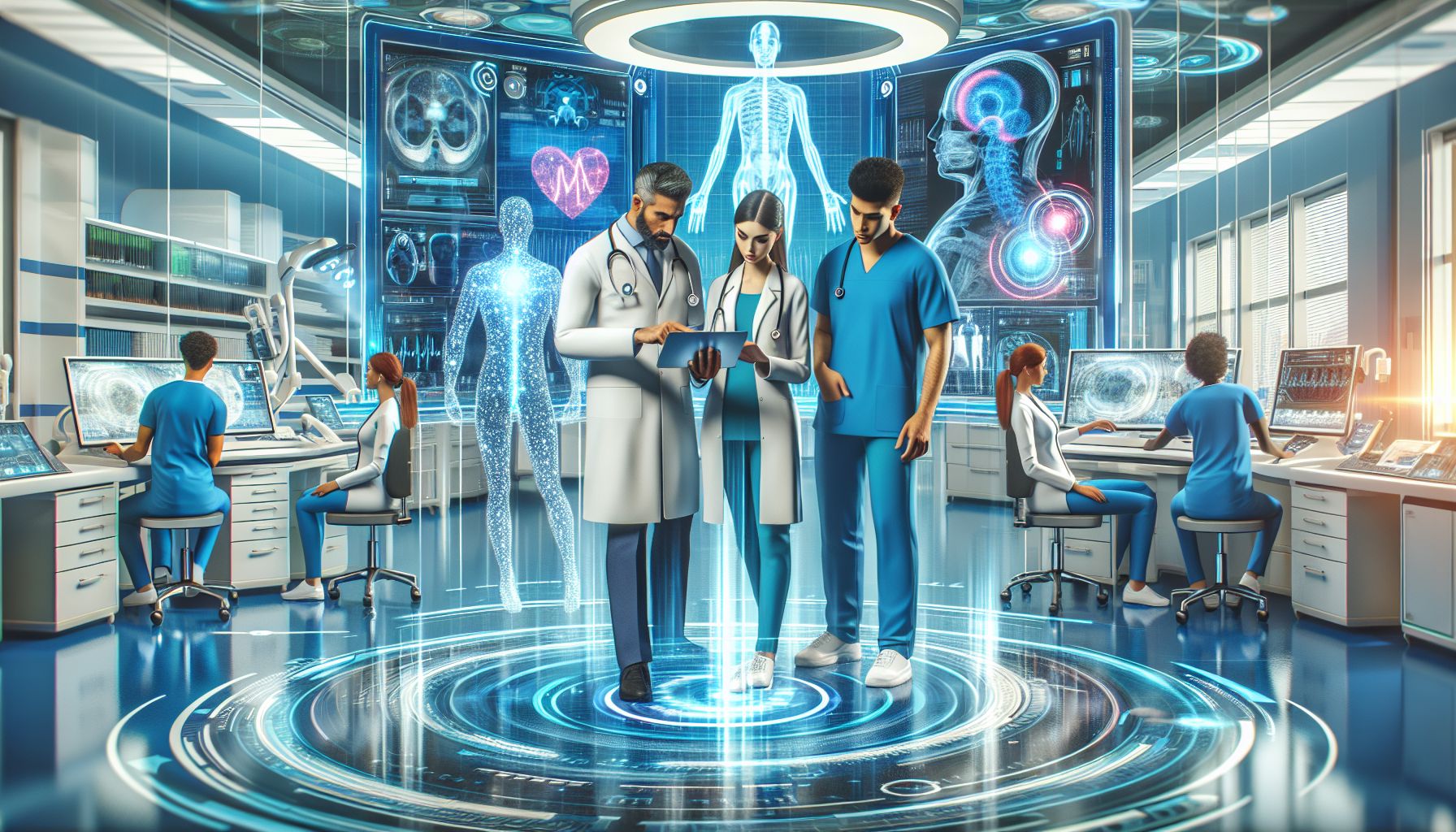
The field of medical technology has witnessed remarkable advancements over the years, transforming the way healthcare is delivered and improving patient outcomes. From diagnostic tools to treatment technologies, these innovations have revolutionized the medical industry. In this article, we will explore some of the key developments in medical technology and their profound impact on healthcare.
Diagnostic Advancements
One of the primary areas where medical technology has made a significant impact is in diagnostics. Gone are the days when accurate diagnoses required invasive procedures or lengthy trial and error. Today, highly sophisticated medical imaging tools, such as magnetic resonance imaging (MRI) and computed tomography (CT) scans, allow medical professionals to obtain detailed, three-dimensional images of internal organs and structures. This non-invasive approach enables early detection of diseases and conditions, improving prognosis and facilitating timely interventions.
Additionally, the advent of personalized medicine has been made possible through genetic testing. By analyzing an individual’s genetic information, healthcare providers can now predict the risk of particular diseases and tailor treatment plans accordingly. This precision approach not only improves patient outcomes but also reduces the risk of adverse reactions to medications.
Treatment Advancements
Medical technology has also transformed the treatment landscape, offering innovative solutions for previously untreatable conditions. For instance, robotic-assisted surgical systems have provided surgeons with greater precision, control, and flexibility during delicate procedures. These systems incorporate advanced imaging and robotic arms, allowing for minimally invasive surgeries and faster recovery times.
Furthermore, the development of telemedicine has revolutionized healthcare accessibility. Telemedicine leverages technology to remotely connect patients with healthcare professionals, enabling consultations, diagnoses, and even treatment from the comfort of one’s home. This approach has proven particularly invaluable in rural areas or during global health crises, ensuring that medical care remains accessible to all.
Patient Care and Monitoring
Medical technology has not only advanced diagnostics and treatments but has also greatly improved patient care and monitoring. From wearable devices that track vital signs to smartphone applications that provide remote medication management, patients are now empowered to take control of their health like never before. These technologies not only enhance patient engagement but also enable healthcare providers to proactively intervene when necessary, leading to better patient outcomes and reduced hospital readmission rates.
Conclusion
Medical technology continues to push boundaries, transforming the healthcare landscape for the better. From accurate diagnostics and innovative treatment approaches to improved patient care and monitoring, these advancements have revolutionized the way healthcare is delivered. With further research and investment, we can look forward to a future where medical technology plays an even more integral role in saving lives, improving patient outcomes, and ensuring accessible healthcare for all.