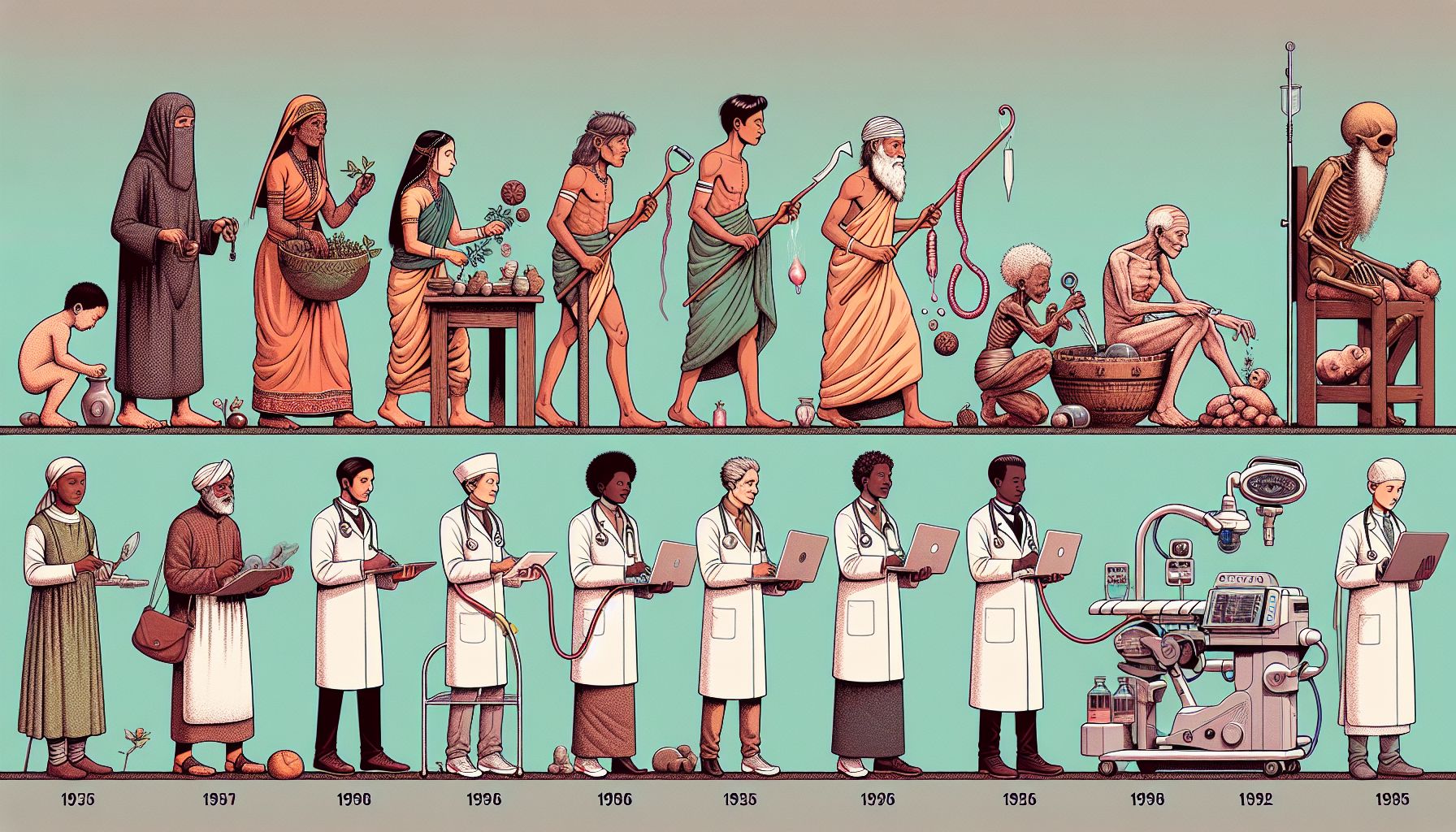
Medical technology has come a long way in recent years, revolutionizing the way healthcare professionals diagnose and treat patients. From advancements in surgical tools to breakthroughs in disease management, these innovations have greatly improved patient outcomes. In this article, we will explore some of the most significant developments in medical technology and their impact on healthcare.
Advancements in Surgical Tools
One area where medical technology has made remarkable progress is in the development of surgical tools. Traditional surgical procedures often required large incisions and prolonged recovery times. However, the introduction of minimally invasive techniques has changed the landscape of surgery. With the help of robotic surgical systems, surgeons can now perform precise procedures with smaller incisions, leading to reduced pain, shorter hospital stays, and faster recovery times. The integration of technology in surgery has not only improved patient outcomes but has also allowed surgeons to operate with greater precision.
Imaging and Diagnostics
Medical imaging has been revolutionized by advancements in technology. Traditional x-rays have been replaced by more sophisticated imaging techniques such as computed tomography (CT) scans, magnetic resonance imaging (MRI), and ultrasound. These technologies provide detailed images of the internal structures of the body, aiding in the early detection and accurate diagnosis of various conditions. Moreover, the development of 3D imaging has further enhanced the ability of healthcare professionals to visualize complex anatomical structures, enabling them to plan surgeries in a more precise and efficient manner.
Disease Management and Intervention
Another area of medical technology that has transformed healthcare is disease management and intervention. The availability of wearable devices and mobile applications has empowered patients to actively manage their health. From fitness trackers that monitor exercise and sleep patterns to smartphone apps that remind individuals to take their medications, these technologies have fostered a sense of personal responsibility for one’s well-being. Additionally, telemedicine has connected healthcare providers with patients in remote areas, allowing for virtual consultations and improved access to medical expertise.
Conclusion
Medical technology has made incredible strides in recent years, touching nearly every aspect of healthcare. From advancements in surgical tools to improved imaging and diagnostics, these innovations have redefined the way we diagnose and treat diseases. With the continuous evolution of medical technology, we can expect even more exciting breakthroughs and a brighter future for patients around the world. As we embrace these advancements, it is vital to remember that technology should always complement the skills and expertise of healthcare professionals, ensuring the best possible care for all.