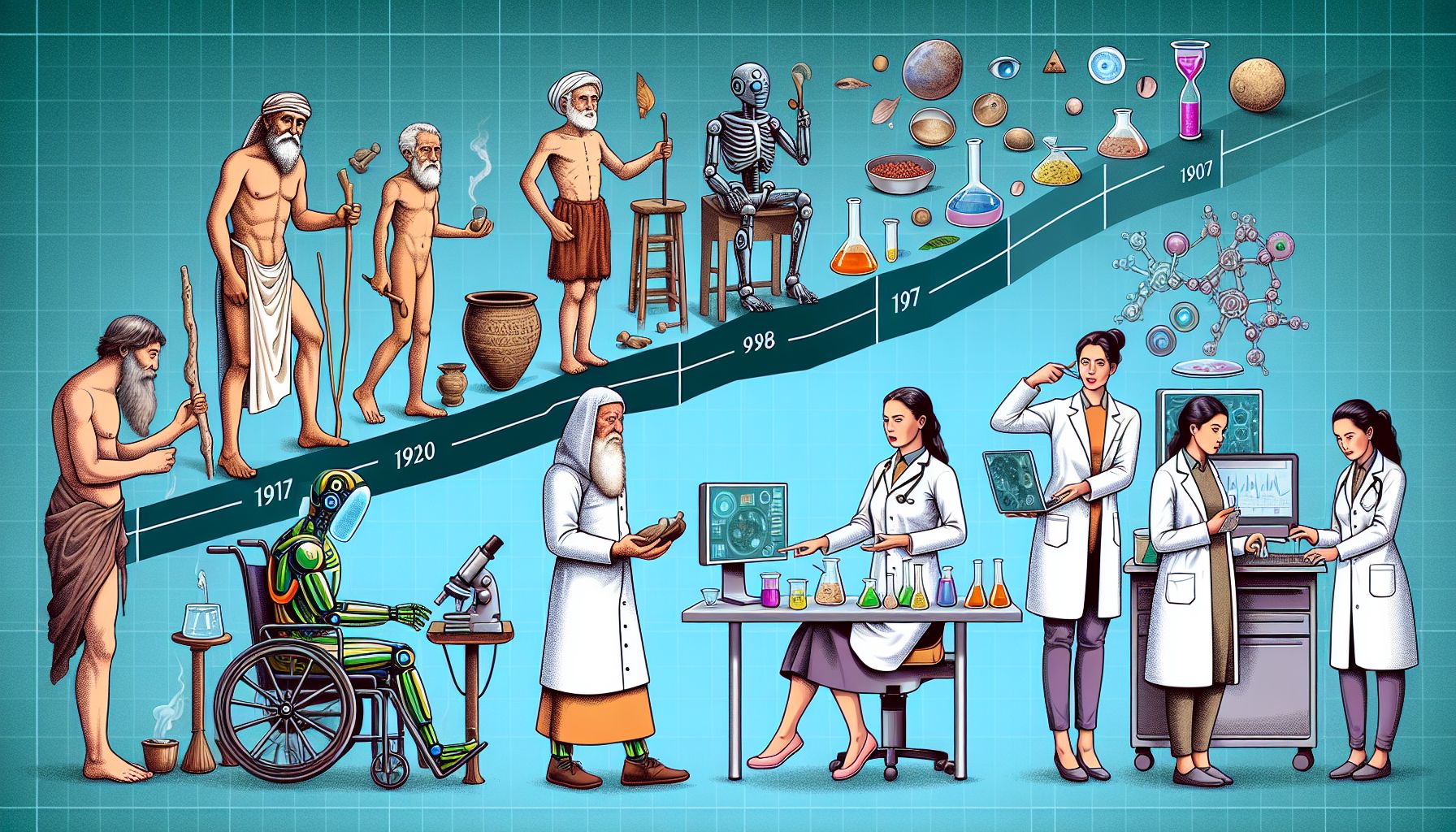
Over the past few decades, medical technology has made significant strides, revolutionizing the healthcare industry and improving patient outcomes. From early diagnostic tools to state-of-the-art surgical equipment, these advancements have not only saved countless lives but also enhanced the quality of healthcare worldwide. Medical professionals can now detect diseases earlier, treat them more effectively, and provide better overall care to patients. Let’s take a closer look at some of the remarkable advancements that have shaped the field of medical technology.
Diagnostic Innovations: Early Detection is Key
The ability to diagnose diseases early can greatly impact treatment outcomes. Medical technology has played a pivotal role in enabling healthcare professionals to detect conditions in their infancy, increasing the chances of successful intervention. High-resolution imaging techniques, such as magnetic resonance imaging (MRI) and computed tomography (CT) scans, have given doctors an unprecedented view inside the human body, allowing for accurate diagnoses and informed treatment plans. Furthermore, breakthroughs in genetic testing have empowered individuals to proactively manage their health and make informed decisions based on their own unique genetic makeup.
Precision Medicine: Targeted Therapies for Optimal Treatment
Medical technology has shifted the focus from one-size-fits-all treatments to personalized medicine. With the advent of groundbreaking technologies like gene editing and precision medicine, doctors can now tailor therapies to individual patients, taking into account their genetic predispositions and specific needs. This approach not only increases treatment efficacy but also reduces potential side effects. By analyzing a patient’s genetic profile, medical professionals can identify potential risks, predict diseases before symptoms arise, and provide preventive measures.
Minimally Invasive Surgeries: Better Outcomes, Faster Recovery
Gone are the days of lengthy hospital stays and invasive surgeries. Thanks to medical technology, many procedures can now be performed using minimally invasive techniques. Advanced surgical robots allow surgeons to operate with unparalleled precision, reducing the risk of complications and minimizing recovery time. These robotic systems, coupled with real-time imaging capabilities, enable surgeons to perform complex procedures through small incisions, reducing trauma to the patient’s body. From cardiac surgeries to intricate joint replacements, minimally invasive surgeries have become the gold standard, resulting in improved patient comfort and quicker returns to normal life.
Telemedicine: Healthcare Beyond Boundaries
In recent years, medical technology has transformed how healthcare is delivered, breaking down geographical barriers and increasing access to quality care. Telemedicine, a practice that involves the use of technology for remote consultations and diagnosis, has gained popularity worldwide. Through video conferencing and remote monitoring devices, patients can connect with healthcare professionals, receive medical advice, and remotely manage chronic conditions. This technology has been particularly valuable in rural or underserved areas, where access to specialized care may be limited.
Conclusion: The Future is Bright
The constant evolution of medical technology holds immense promise for the future of healthcare. With ongoing advancements in artificial intelligence, robotics, and genomics, we can expect even greater breakthroughs in the coming years. These technologies have the potential to significantly improve disease prevention, treatment outcomes, and patient satisfaction. As medical technology continues to advance, so will the efficiency, effectiveness, and accessibility of healthcare, ultimately benefiting countless lives around the world.