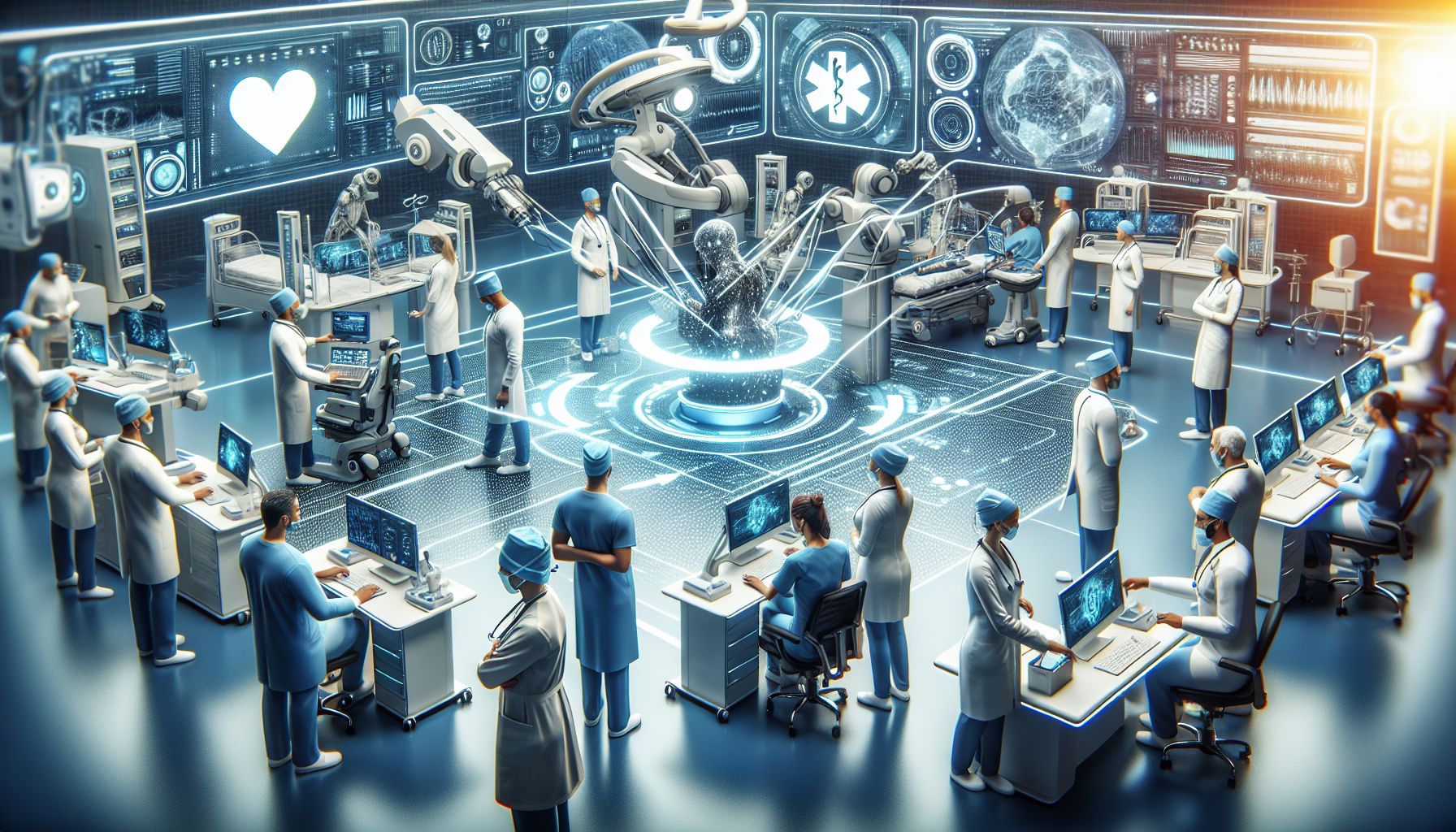
Medical technology has come a long way over the years, revolutionizing the healthcare industry and improving patient outcomes. From diagnostic tools to treatment methods, these advancements have transformed the way diseases are detected, managed, and cured. They have not only saved countless lives but have also improved the quality of life for many individuals. In this article, we will explore some of the key innovations in medical technology and their significant impact on healthcare.
Diagnostic Tools: A Window into Early Detection
One of the most remarkable advancements in medical technology is the development of highly accurate diagnostic tools. These instruments allow healthcare professionals to identify diseases at their earliest stages, enhancing the chances of successful treatment. For instance, sophisticated imaging technologies like magnetic resonance imaging (MRI) and computed tomography (CT) scans provide detailed images of the internal body structures, aiding in the early detection and diagnosis of conditions such as cancer and cardiovascular diseases.
Moreover, the introduction of portable, hand-held diagnostic devices has also played a pivotal role in improving healthcare accessibility. These devices allow medical professionals to perform various tests and screenings outside of a traditional medical setting. This has proven particularly beneficial in remote areas with limited medical infrastructure and resources.
Treatment Methods: Advancing Precision Medicine
Medical technology has also paved the way for revolutionary treatment methods that are tailored to individual patients. Precision medicine, an emerging field, utilizes genetic and molecular profiling to determine the most effective treatment for a particular patient, based on their unique genetic makeup and personal characteristics. This approach has transformed the way diseases like cancer are treated, increasing the chances of successful outcomes while reducing side effects.
Furthermore, minimally invasive procedures have become more commonplace due to innovative medical technologies. Techniques such as laparoscopy and robotic surgery have significantly improved patient experiences, offering shorter recovery times, less scarring, and reduced pain compared to traditional open surgeries. These advancements have revolutionized the field of surgery and have provided patients with safer and more effective alternatives.
Rehabilitation and Assistive Devices: Restoring Independence
Advancements in medical technology have also had a profound impact on rehabilitation and the restoration of physical capabilities. Cutting-edge prosthetics and orthotics have allowed individuals with limb loss or limb impairments to regain mobility and function, significantly enhancing their quality of life. Furthermore, assistive technologies such as exoskeletons and wheelchair advancements have improved the independence and mobility of individuals with mobility challenges.
Conclusion
Medical technology continues to push the boundaries of what is possible in healthcare. From early disease detection to personalized treatments and improved rehabilitation methods, these advancements have reshaped the medical landscape. As technology continues to evolve, we can expect to see further innovations that will undoubtedly transform healthcare and improve patient outcomes. Ultimately, medical technology serves as a reminder of the remarkable progress we have achieved and the potential for even greater advancements in the future.