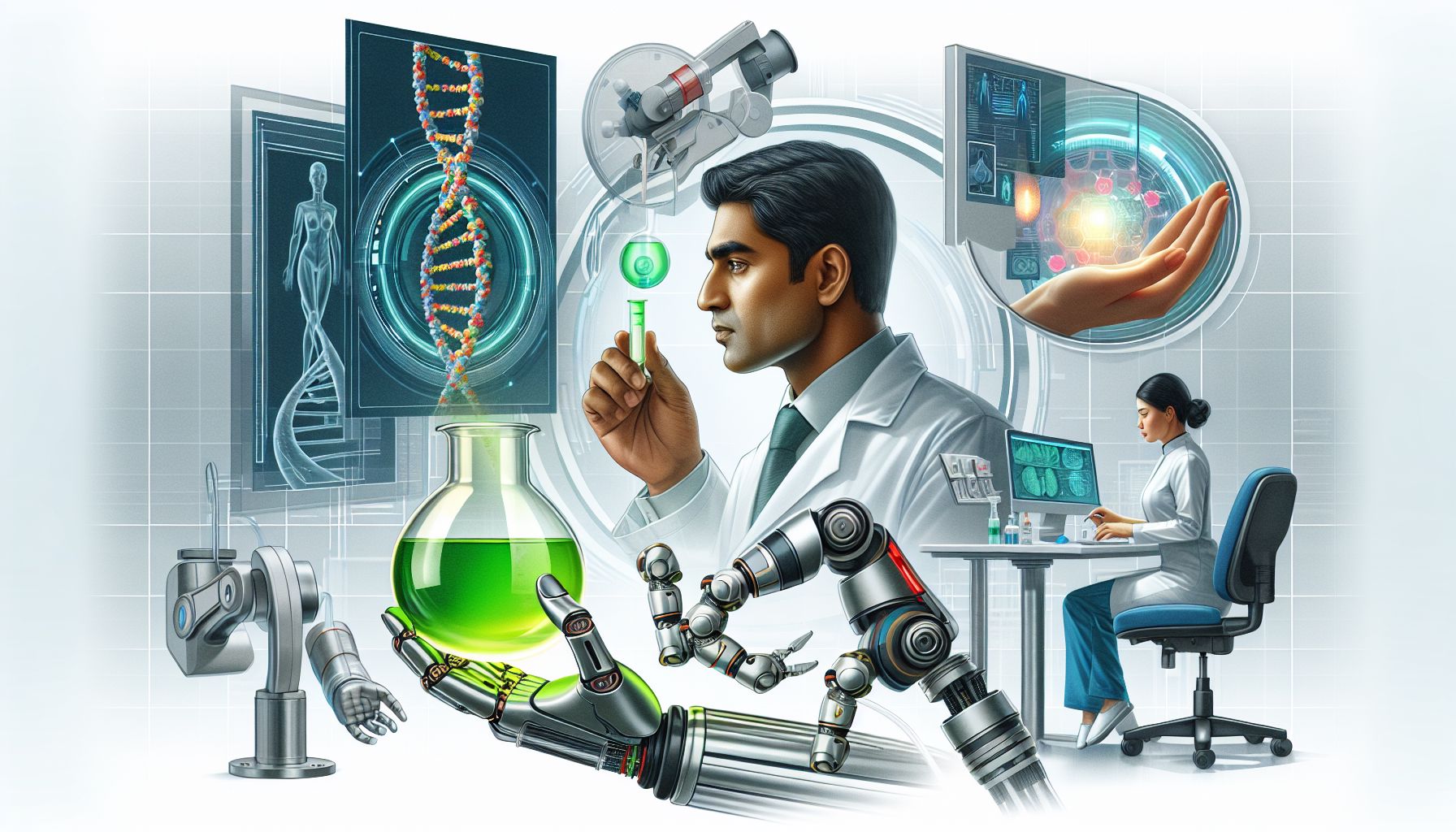
In recent years, the field of medical technology has seen rapid advancements that have revolutionized the way healthcare is delivered. From wearable devices that monitor vital signs to robotic surgery systems, the possibilities seem endless. These innovations have not only improved the accuracy and efficiency of medical procedures but have also enhanced patient outcomes and overall quality of care.
One of the most significant advancements in medical technology is the development of telemedicine. This allows patients to consult with healthcare providers remotely, eliminating the need for in-person visits. Telemedicine has proven to be especially beneficial for individuals in rural or underserved areas, as it provides access to healthcare services that may not be readily available otherwise. Additionally, telemedicine has reduced the strain on healthcare systems by decreasing unnecessary emergency room visits and hospital admissions.
Another breakthrough in medical technology is the use of artificial intelligence (AI) in healthcare. AI can analyze large amounts of data to assist healthcare providers in diagnosing diseases, predicting patient outcomes, and developing personalized treatment plans. This has led to more accurate and efficient decision-making, ultimately improving patient care and outcomes. AI-powered tools have also been used to automate administrative tasks, allowing healthcare professionals to focus more on patient care.
Advancements in medical imaging technology have also played a crucial role in diagnosing and treating various medical conditions. From MRI and CT scans to ultrasound and X-rays, these imaging modalities provide valuable insights into the human body’s intricate structures and processes. The development of 3D and 4D imaging has further enhanced the visualization of anatomical abnormalities, leading to more precise diagnoses and treatment planning.
Additionally, robotic surgery systems have transformed the field of surgery by allowing for minimally invasive procedures with increased precision and control. These systems enable surgeons to perform complex operations with greater accuracy and efficiency, resulting in quicker recovery times and fewer complications for patients. Robotic surgery has revolutionized various specialties, including urology, gynecology, and orthopedics, and continues to push the boundaries of what is possible in the operating room.
In conclusion, the rapid advancements in medical technology have significantly improved the delivery of healthcare services and patient outcomes. From telemedicine and artificial intelligence to medical imaging and robotic surgery, these innovations have revolutionized the field of medicine. As technology continues to evolve, the future of healthcare looks brighter than ever, with endless possibilities for innovation and improvement. It is essential for healthcare providers to embrace these technologies and continue to push the boundaries of what is possible in the pursuit of better patient care.