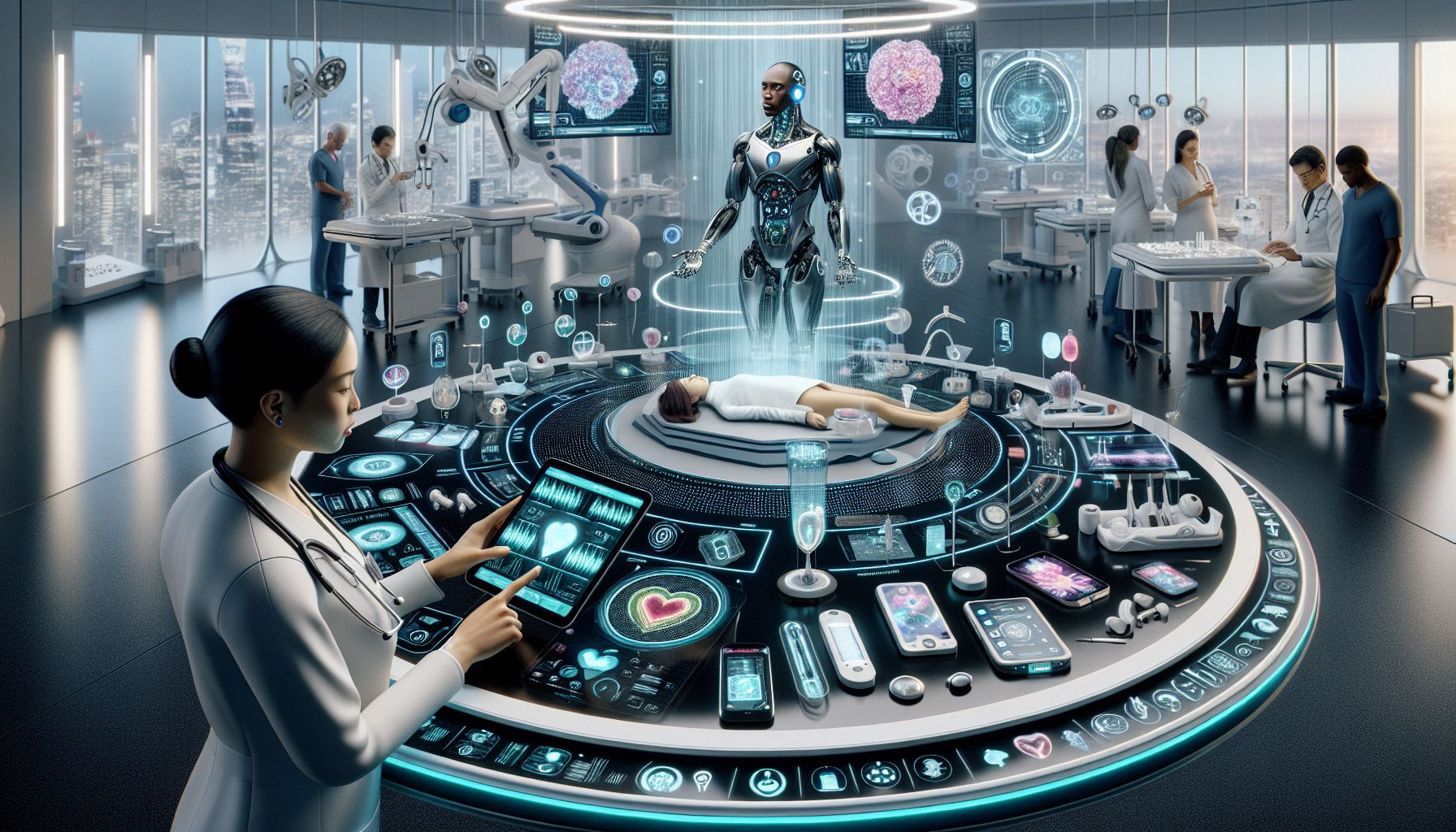
From the discovery of antibiotics to the development of minimally invasive surgeries, medical technology has revolutionized the way we diagnose and treat illnesses. With the rapid pace of technological advancements, the field of medicine continues to evolve, providing patients with more effective and efficient healthcare options.
One of the most significant advancements in medical technology is the use of artificial intelligence (AI) in healthcare. AI algorithms can analyze vast amounts of medical data to identify patterns and trends that may not be apparent to human healthcare providers. This can lead to more accurate diagnoses and personalized treatment plans for patients.
Another area of advancement is the use of telemedicine, which allows patients to consult with healthcare providers remotely through video calls and messaging platforms. This has been particularly useful during the COVID-19 pandemic, enabling patients to receive medical care while reducing the risk of exposure to the virus.
Medical technology has also made significant advancements in the field of surgery. With the development of robotic-assisted surgery, surgeons can perform complex procedures with greater precision and control, leading to faster recovery times and fewer complications for patients.
In the field of diagnostics, medical imaging technology has greatly improved with the use of tools such as MRI, CT scans, and ultrasound. These imaging techniques allow healthcare providers to visualize internal structures and diagnose conditions with greater accuracy than ever before.
Advancements in wearable technology have also had a significant impact on healthcare. Devices such as smartwatches and fitness trackers can monitor vital signs, track physical activity, and even detect potential health issues in real-time. This information can be shared with healthcare providers to inform treatment decisions and improve patient outcomes.
Despite these incredible advancements, there are still challenges to overcome in the field of medical technology. Issues such as data privacy and security, regulatory compliance, and access to care remain significant concerns that must be addressed to ensure that patients receive the highest quality of care.
As we look to the future, it is clear that medical technology will continue to play a crucial role in shaping the healthcare industry. With ongoing research and innovation, we can expect to see even more advancements that will improve patient outcomes, increase access to care, and ultimately save lives.
In conclusion, medical technology has come a long way in recent years, with advancements in AI, telemedicine, robotics, imaging, and wearable technology transforming the way healthcare is delivered. While there are challenges to overcome, the potential for further innovation in this field is unlimited, and the benefits to patients are immeasurable.