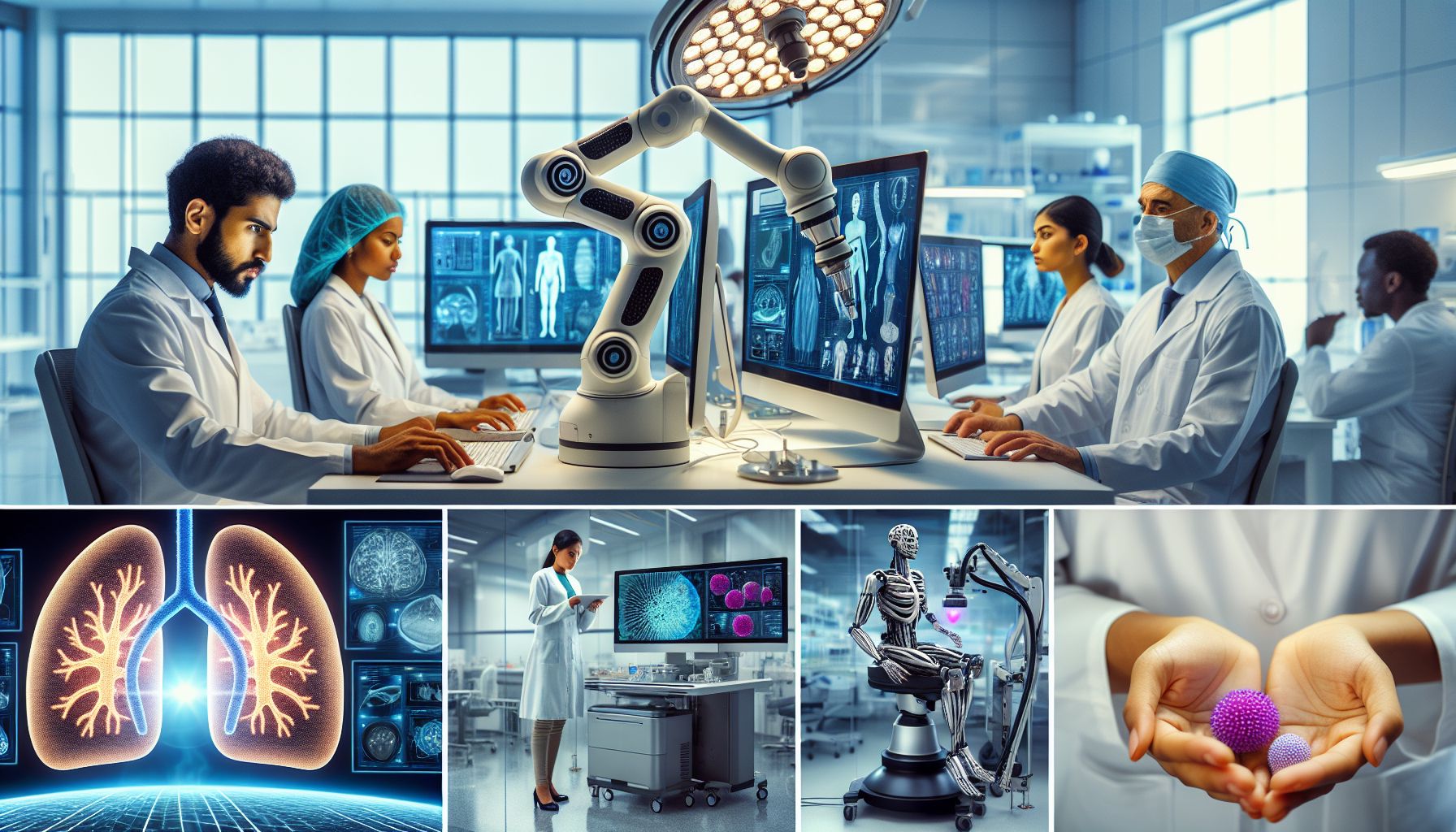
From robotic surgery to artificial intelligence, medical technology has made significant strides in recent years. These advancements have revolutionized the way healthcare is delivered and have the potential to improve patient outcomes and quality of life. In this blog post, we will explore some of the most exciting developments in medical technology and how they are shaping the future of medicine.
One of the most talked-about innovations in medical technology is robotic surgery. This cutting-edge technology allows surgeons to perform minimally invasive procedures with greater precision and control. By using robotic arms equipped with cameras and surgical instruments, surgeons can access hard-to-reach areas of the body with smaller incisions, leading to faster recovery times and reduced risk of complications. Robotic surgery has been used in various specialties, including urology, gynecology, and cardiothoracic surgery, and continues to evolve with new capabilities and applications.
Another area of rapid advancement in medical technology is artificial intelligence (AI). AI algorithms are being used to analyze vast amounts of data and provide insights that can help healthcare providers make more accurate diagnoses and treatment decisions. Machine learning algorithms can identify patterns and trends in patient data, leading to personalized treatment plans and improved patient outcomes. AI-powered tools are also being used in medical imaging to assist radiologists in interpreting complex images, such as MRIs and CT scans. With AI, healthcare providers can deliver more efficient and effective care to their patients.
Telemedicine is another exciting development in medical technology that has gained popularity in recent years. Telemedicine allows patients to consult with healthcare providers remotely through video calls, phone calls, or secure messaging platforms. This technology has made healthcare more accessible and convenient for patients, especially those in rural or underserved areas. Telemedicine has also played a crucial role in managing the COVID-19 pandemic by enabling patients to receive care while reducing the risk of exposure to the virus.
In conclusion, the advancements in medical technology have the potential to transform healthcare in significant ways. From robotic surgery to AI-powered diagnostics to telemedicine, these innovations are changing the landscape of medicine and improving patient care. As technology continues to evolve, it will be fascinating to see how these advancements shape the future of healthcare and further improve patient outcomes. With the continued collaboration between healthcare providers, researchers, and technologists, the possibilities for innovation in medical technology are endless.