Medical technology is constantly evolving and improving to provide better patient care, more accurate diagnoses, and more effective treatments. With the rapid pace of innovation in the health care industry, it’s important to stay informed on the latest advancements in medical technology.
In recent years, we have seen significant advancements in medical imaging technology. From magnetic resonance imaging (MRI) and computed tomography (CT) scans to ultrasound and X-rays, these imaging techniques have revolutionized the way we diagnose and treat patients. These technologies allow healthcare professionals to visualize the inner workings of the body and identify potential health problems with greater accuracy than ever before.
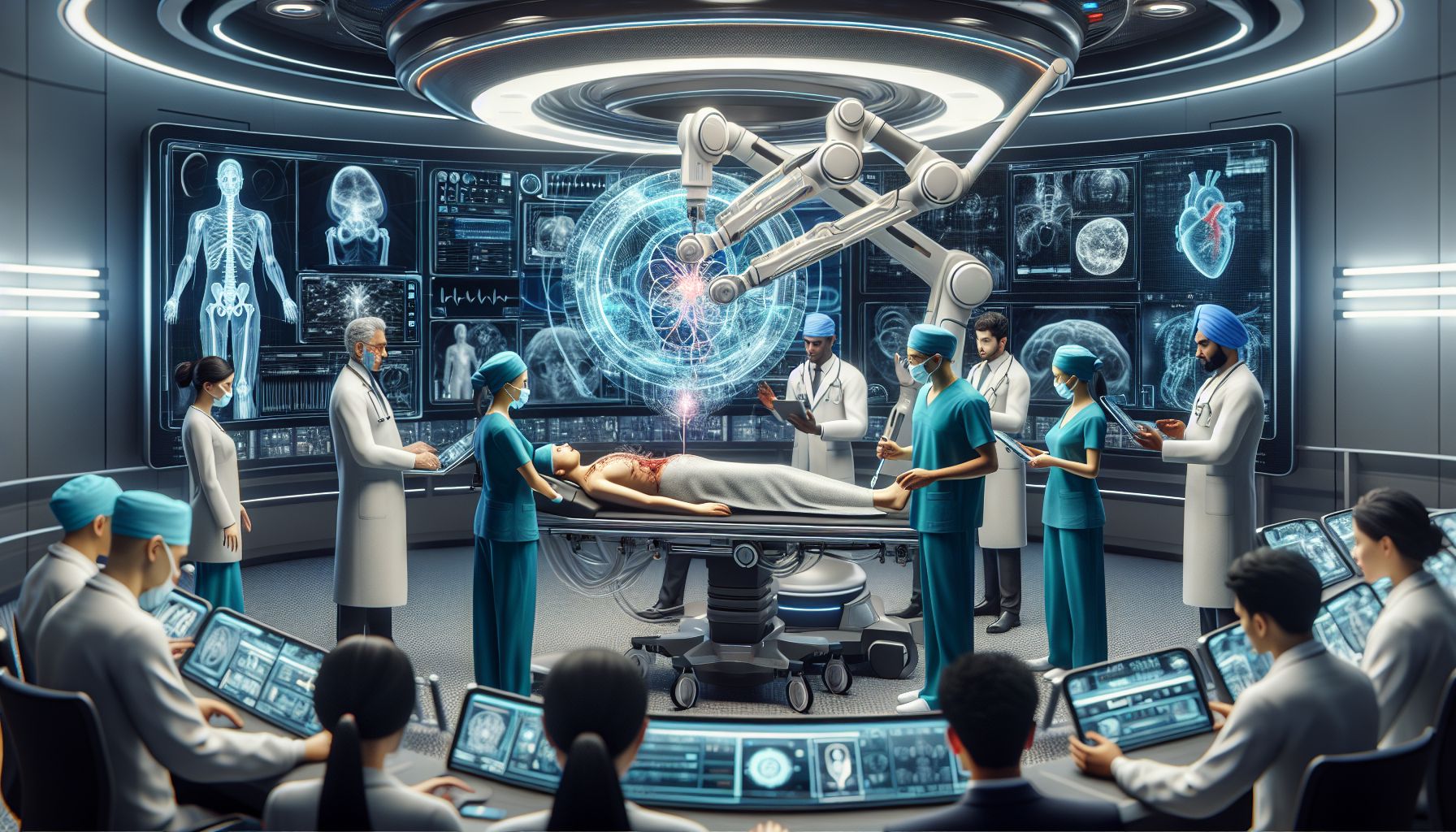
Another area of rapid advancement is in the field of robotics. Robotic surgery has become increasingly common in operating rooms around the world, allowing surgeons to perform complex procedures with greater precision and control. These robotic systems can make smaller incisions, resulting in less pain and faster recovery times for patients.
Telemedicine is another exciting advancement in medical technology. With the rise of remote patient monitoring and virtual consultations, patients can now receive medical care from the comfort of their own homes. This technology has been particularly useful during the COVID-19 pandemic, allowing patients to stay connected with their healthcare providers while minimizing the risk of exposure to the virus.
Artificial intelligence (AI) is also playing a growing role in healthcare. AI algorithms can analyze large amounts of data to identify trends and patterns that humans may not be able to detect. This technology has the potential to revolutionize personalized medicine, allowing healthcare providers to tailor treatments to individual patients based on their unique genetic makeup and medical history.
As exciting as these advancements are, it’s important to remember that they come with their own set of challenges. Issues such as data privacy, cybersecurity, and the ethical implications of using AI in healthcare must be carefully considered as we continue to push the boundaries of medical technology.
In conclusion, advancements in medical technology have the potential to transform the way we deliver healthcare and improve patient outcomes. From advanced imaging techniques to cutting-edge robotics and AI, the possibilities are endless. By staying informed on the latest developments in medical technology, healthcare professionals can ensure that they are providing the best possible care for their patients.