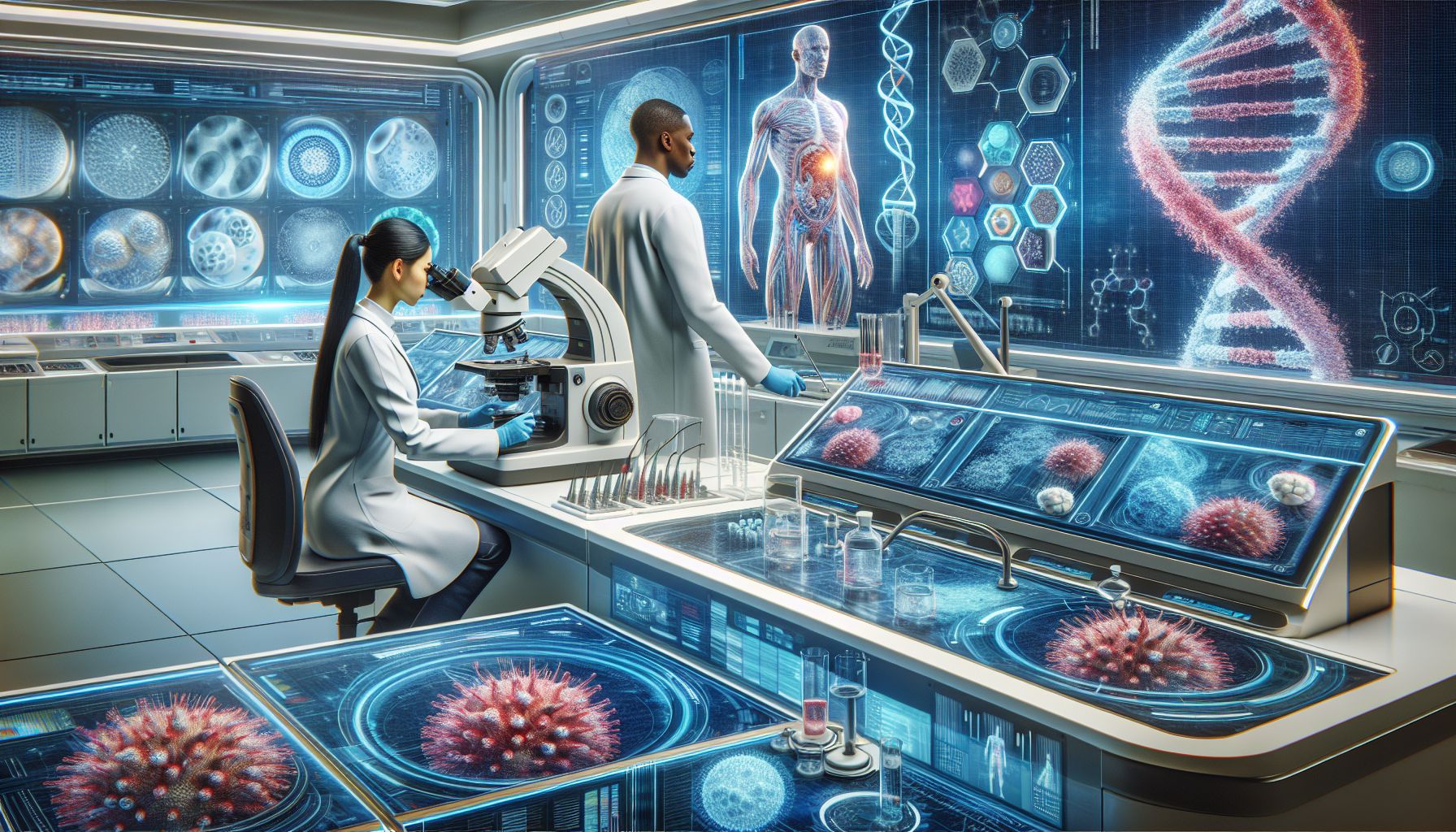
Medical technology has come a long way in recent years, revolutionizing the way we approach healthcare and patient treatment. From cutting-edge surgical techniques to innovative diagnostic tools, the field of medical technology continues to push boundaries and improve patient outcomes. Let’s delve into some of the most exciting advancements in this rapidly evolving field.
One of the most significant breakthroughs in medical technology is the development of robotic-assisted surgery. This approach allows surgeons to perform complex procedures with enhanced precision, flexibility, and control. By using robotic arms controlled by the surgeon, procedures such as minimally invasive surgeries can be performed with greater accuracy, leading to reduced recovery times and improved patient satisfaction.
Another area of advancement in medical technology is the use of artificial intelligence (AI) in healthcare. AI algorithms are being used to analyze vast amounts of data, helping to identify patterns and trends that can inform treatment decisions. Machine learning algorithms can predict patient outcomes, identify high-risk individuals, and even assist in diagnosing diseases at an earlier stage. This technology has the potential to revolutionize personalized medicine and improve patient care across a wide range of conditions.
In the realm of diagnostic imaging, there have been significant advancements in recent years. Just a few decades ago, a diagnosis often required invasive procedures or exploratory surgery. Now, with technologies such as magnetic resonance imaging (MRI), computed tomography (CT), and ultrasound, doctors can non-invasively visualize internal structures and identify abnormalities with stunning clarity. These imaging tools allow for earlier detection of diseases, more accurate diagnoses, and better-informed treatment decisions.
Telemedicine is another area of rapid advancement in medical technology. With the advent of high-speed internet and video conferencing technology, patients can now consult with healthcare providers remotely, saving time and improving access to care. Telemedicine has been especially valuable during the COVID-19 pandemic, allowing patients to receive care from the safety of their homes and reducing the risk of virus transmission.
As with any rapidly evolving field, medical technology also presents challenges and ethical considerations. Questions about data privacy, algorithm bias, and the future of human oversight in healthcare loom large. However, the potential benefits of these advancements in terms of improved patient outcomes, reduced costs, and increased access to care are undeniable.
In conclusion, the advancements in medical technology hold great promise for the future of healthcare. From robotic-assisted surgery to AI-powered diagnostics, these innovations are transforming the way we approach patient care and treatment. As these technologies continue to evolve, it is essential that we address the ethical implications and ensure that they are used responsibly and in the best interest of patients. Ultimately, the goal of medical technology is to improve patient outcomes and enhance the quality of care, and these advancements are helping us to achieve that goal.


