In recent years, medical technology has seen incredible advancements that have revolutionized healthcare practices and improved patient outcomes. From cutting-edge diagnostic tools to innovative treatments, these technological advancements have changed the way we approach healthcare. In this article, we will explore some of the latest breakthroughs in medical technology and their impact on the field.
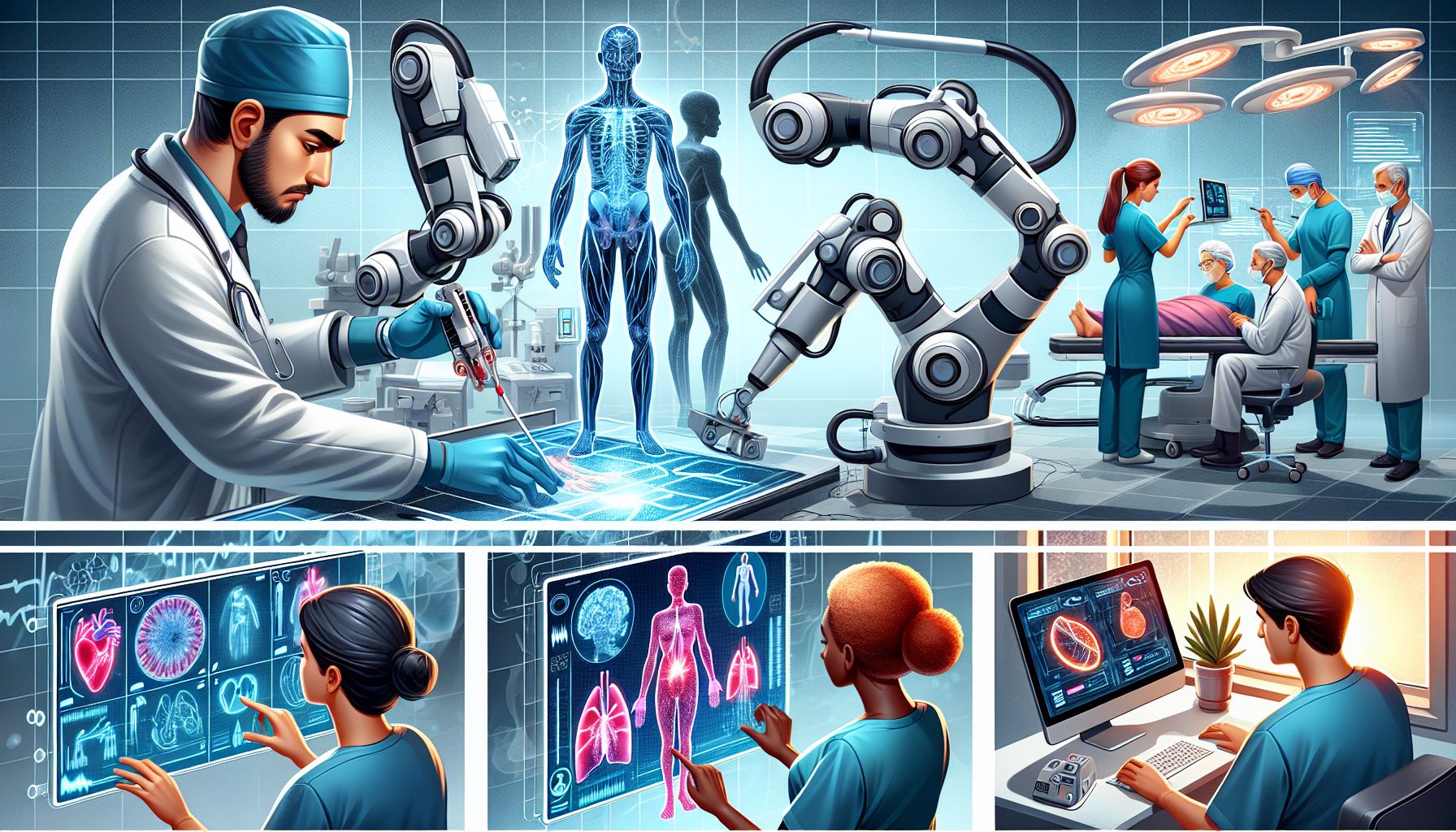
One area where medical technology has seen significant progress is in the realm of imaging. High-resolution imaging techniques such as MRI, CT scans, and ultrasounds have allowed healthcare providers to visualize the body in ways that were previously not possible. These tools have made it easier to diagnose a wide range of conditions, from broken bones to cancer, with greater accuracy and speed. For patients, this means faster and more targeted treatments that can lead to better outcomes.
Another area where medical technology has made a big impact is in the field of robotic surgery. Robotic-assisted surgery allows surgeons to perform complex procedures with greater precision and control, leading to shorter recovery times and reduced risk of complications. This technology has been used in a variety of surgical specialties, including urology, gynecology, and cardiothoracic surgery, and has been shown to improve patient outcomes in many cases.
In addition to imaging and surgery, medical technology has also revolutionized the way we monitor and manage chronic conditions. Wearable devices such as smartwatches and fitness trackers can now track a variety of health metrics, including heart rate, activity levels, and sleep patterns. These devices can provide valuable insights into a patient’s health status and help healthcare providers make more informed decisions about their care.
Furthermore, advancements in telemedicine and telehealth technology have made it easier for patients to access care remotely. Virtual appointments and online consultations allow patients to speak with healthcare providers from the comfort of their own homes, saving time and reducing the need for in-person visits. This has been especially important during the COVID-19 pandemic, when many people have been unable or unwilling to visit healthcare facilities in person.
In conclusion, medical technology has come a long way in recent years, and the impact of these advancements on healthcare has been tremendous. From improved diagnostic tools to more precise surgical techniques, these technologies have transformed the way we approach healthcare and have led to better outcomes for patients. As technology continues to evolve, we can expect even more exciting innovations in the future that will further improve the quality of care that patients receive.


