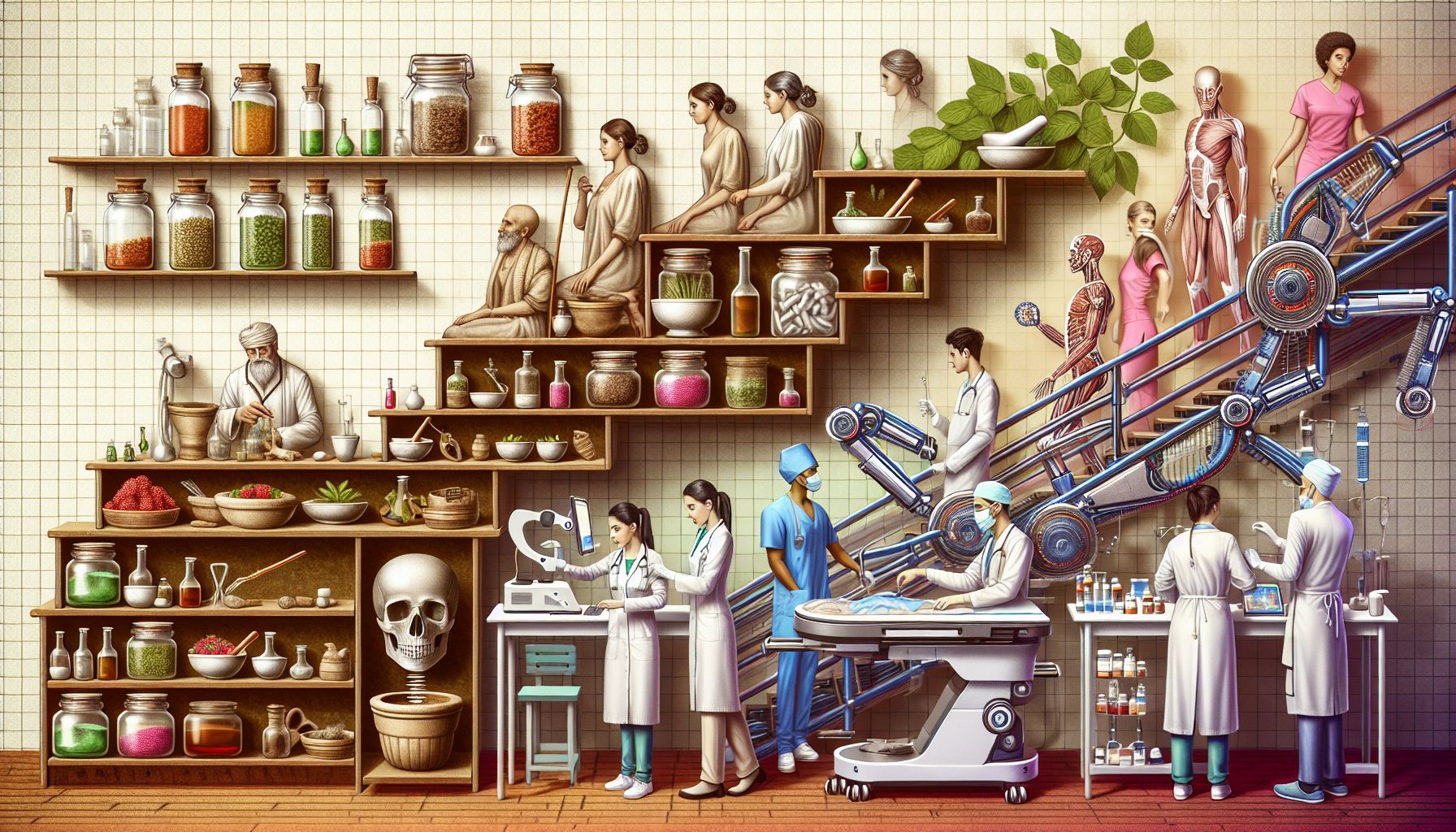
The rapid advancements in technology have revolutionized every aspect of our lives, and the field of healthcare is no exception. Medical technology has made great strides in recent years, transforming the way we diagnose, treat, and monitor various medical conditions. From cutting-edge imaging techniques to advanced surgical tools, these innovations have not only improved patient outcomes but also revolutionized the healthcare industry as a whole.
One of the most significant advancements in medical technology is the development of minimally invasive surgical techniques. Traditionally, surgery required large incisions and extended recovery times. However, with the advent of tools such as laparoscopic cameras and robotic-assisted surgery, many procedures can now be performed with smaller incisions, reduced pain, and shorter recovery times. Patients are able to return to their normal activities much faster, resulting in improved quality of life.
Another area where medical technology has made significant progress is in imaging techniques. The use of technologies such as MRI, CT scans, and ultrasound has revolutionized the way we diagnose and monitor various medical conditions. These imaging techniques provide detailed images of the body’s internal structures, allowing physicians to make more accurate diagnoses and develop targeted treatment plans. In addition, advancements in imaging technology have enabled earlier detection of diseases such as cancer, leading to improved survival rates and better outcomes for patients.
Medical technology has also transformed the way we monitor and manage chronic conditions. Devices such as pacemakers, insulin pumps, and continuous glucose monitors allow patients to closely monitor their health and make real-time adjustments to their treatment plans. These devices have significantly improved the quality of life for patients with chronic conditions, enabling them to lead more independent and active lives.
Telemedicine is another area where medical technology has made great strides. Through the use of video conferencing and remote monitoring devices, patients can now consult with healthcare providers from the comfort of their own homes. This has been especially beneficial for patients living in rural or underserved areas, who may not have easy access to healthcare providers. Telemedicine has improved access to care, reduced healthcare costs, and increased patient satisfaction.
In conclusion, the advancements in medical technology have revolutionized the way we approach healthcare. From minimally invasive surgical techniques to advanced imaging technologies, these innovations have improved patient outcomes, transformed the way we diagnose and treat medical conditions, and revolutionized the healthcare industry as a whole. As technology continues to evolve, we can expect even more exciting developments in the field of medical technology, shaping the future of healthcare for years to come.


