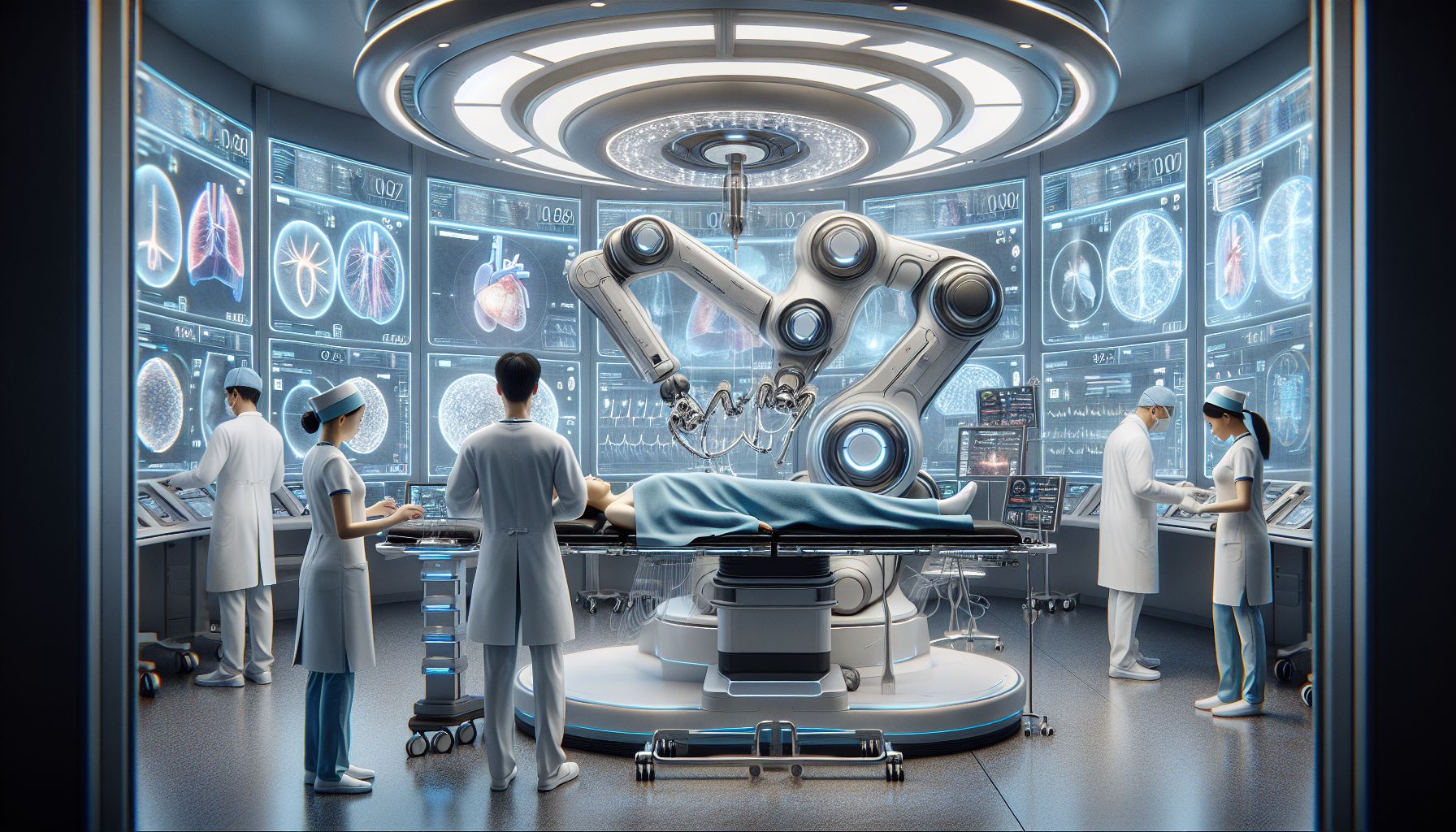
In today’s rapidly evolving world, technology has found its way into almost every aspect of our lives. From smartphones and laptops to self-driving cars and advanced robotics, it’s hard to imagine a world without these technological wonders. One sector that has particularly benefited from technological advancements is the healthcare industry. Medical technology has revolutionized the way we receive and provide healthcare, saving lives, improving accuracy, and enhancing patient outcomes.
The Evolution of Medical Technology
Over the years, medical technology has made significant strides, transforming healthcare delivery and patient care. From the once cumbersome and time-consuming process of manually documenting patient records to the now stream-lined electronic health records (EHR) systems, technology has simplified and accelerated healthcare management. With EHRs, medical professionals can access patients’ medical histories, treatments, and test results instantaneously, resulting in more efficient and accurate diagnoses.
Precision and Efficiency in Diagnosis
One of the most notable benefits of medical technology is its role in facilitating accurate and fast diagnoses. Advanced medical imaging technologies like magnetic resonance imaging (MRI) and computed tomography (CT) scans create detailed images of the body’s internal structures, allowing doctors to identify and diagnose conditions with precision. These improved diagnostic capabilities have enabled healthcare professionals to catch diseases in their early stages, increasing the chances of successful treatments.
Enhancing Patient Safety and Care
Patient safety has always been a top priority in healthcare, and medical technology plays a crucial role in ensuring it. The introduction of electronic medication administration systems has reduced medication errors significantly. These systems help prevent adverse drug events by automatically checking patient data and verifying proper dosage and medication through barcodes. Moreover, innovative telehealth solutions now allow healthcare providers to remotely monitor patients, ensuring continuous care and early detection of any potential complications.
Improving Treatment and Outcomes
Advancements in medical technology have also paved the way for groundbreaking treatment options and therapies. Robotics-assisted surgeries offer precision and control beyond what human hands can achieve, resulting in shorter recovery times, reduced risks, and improved surgical outcomes. Similarly, the use of wearable devices and mobile health apps has empowered patients to take an active role in managing their health by tracking vital signs, fitness activity, and medication adherence. This increased engagement leads to better treatment adherence and ultimately better patient outcomes.
Challenges and Future Frontiers
While medical technology has undoubtedly transformed healthcare for the better, it is not without its challenges. Data privacy and security concerns, interoperability issues between different systems, and limited access to cutting-edge technologies in underprivileged areas are some hurdles that need to be addressed. However, the future holds immense potential for medical technology. Innovations such as artificial intelligence (AI) and machine learning are expected to further revolutionize healthcare. AI algorithms can analyze vast amounts of medical data, assist in early disease detection, and provide personalized treatment plans tailored to individual patients.
In Conclusion
Medical technology has become an indispensable part of healthcare, greatly improving patient care, safety, and outcomes. From diagnosis and treatment to preventive care and remote monitoring, the impact of technology is undeniable. As we continue to embrace and invest in medical technology, we move closer to a future where healthcare is accessible, personalized, and tailored to each individual’s needs. With this ongoing progress, the possibilities for advancements in medical technology are endless, promising a healthier future for all.


