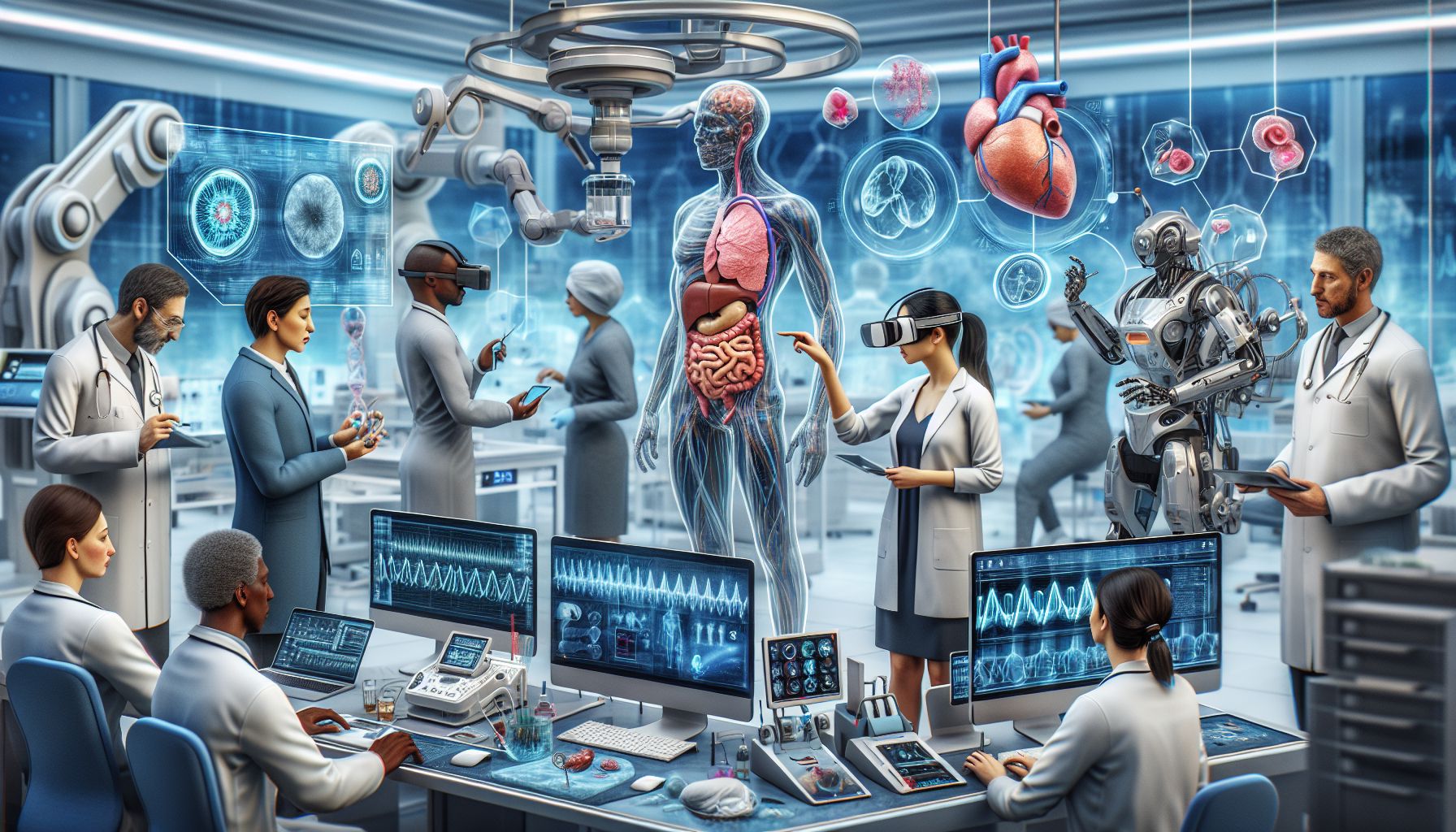
Medical technology has undergone incredible advancements over the past few decades, revolutionizing the way healthcare is delivered and changing the lives of patients worldwide. From state-of-the-art imaging tools to advanced surgical robots, these innovations have improved efficiency, accuracy, and outcomes in the medical field.
One of the most significant developments in medical technology is the use of artificial intelligence (AI) in healthcare. AI algorithms are now able to analyze vast amounts of patient data to assist in diagnosis, treatment planning, and even predicting potential medical issues before they arise. This has led to more personalized and effective treatment plans, ultimately improving patient care.
Another area where medical technology has made great strides is in the field of telemedicine. With the rise of smartphones and high-speed internet, patients can now consult with healthcare providers remotely, reducing the need for in-person visits and allowing for more convenient and accessible care. This has been especially important during the COVID-19 pandemic, when physical distancing measures were put in place.
In the realm of diagnostics, medical technology has also made significant progress. Innovative imaging techniques such as MRI, CT scans, and PET scans provide detailed and accurate information about a patient’s internal organs and tissues, allowing for earlier detection of diseases and more targeted treatment plans. Additionally, advancements in genetic testing have made it possible to identify patients at risk for certain hereditary conditions and tailor preventative strategies accordingly.
Surgical technology has also seen remarkable advancements in recent years. Robotic-assisted surgery allows for greater precision and control during complex procedures, resulting in faster recovery times and reduced risk of complications for patients. Surgeons are now able to perform minimally invasive surgeries with tiny incisions, leading to less scarring and shorter hospital stays.
Overall, the impact of medical technology on healthcare is undeniable. It has improved patient outcomes, increased efficiency in healthcare delivery, and enhanced the overall quality of care. As technology continues to evolve, we can expect to see even greater advancements in the field of medicine, further improving the lives of patients and healthcare providers alike.
In conclusion, advancements in medical technology have transformed the way healthcare is delivered, making it more personalized, efficient, and effective. From AI-driven diagnostics to robotic-assisted surgery, these innovations have revolutionized the field of medicine and have the potential to continue improving patient care in the years to come. The future of healthcare looks bright, thanks to the incredible advancements in medical technology.


